




Shop
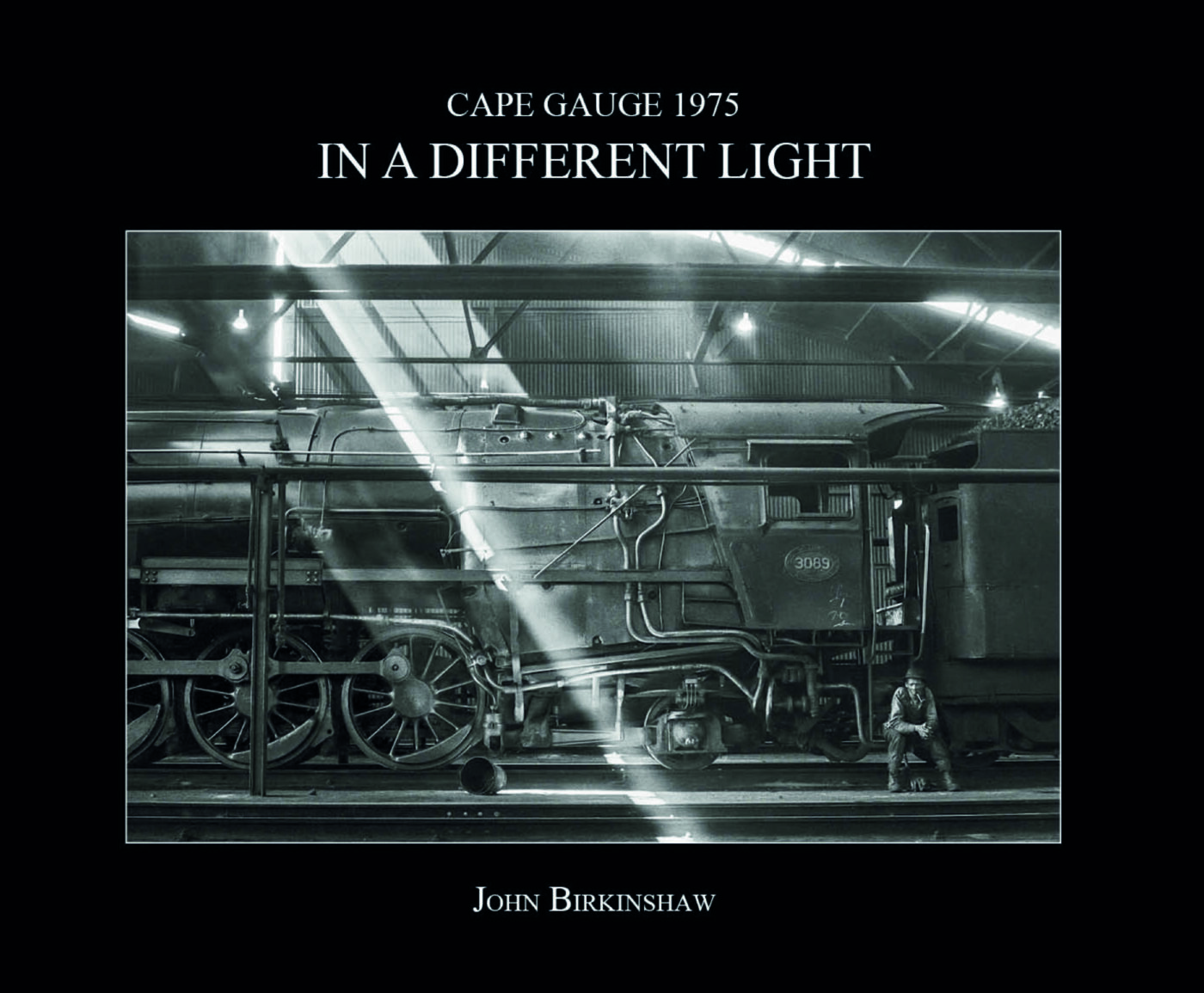
In a Different Light
Cape Gauge 1975
£35.00
Only 16 left in stock
IN A DIFFERENT LIGHT invites readers on an unforgettable journey into the golden era of Cape Gauge steam operations on South African Railways (SAR). Renowned photographer John Birkinshaw captures the essence of 1975, a pivotal time as steam trains began fading into history. Featuring vivid images printed on high-quality paper, the book blends stunning visuals with Birkinshaw’s personal anecdotes of navigating challenges in an era without modern travel tools. From cloud-covered landscapes to the dwindling days of Garratts and Pacifics, this heartfelt memoir and photographic masterpiece is a must-read for railway enthusiasts and history lovers alike.
INTRODUCTION
In this book I have tried to create a visual impression of Cape Gauge steam operations on South African Railways (SAR) as they were when, armed with cameras, maps, and sleeping bag I visited the country with a fellow railway enthusiast in 1975. In addition to a brief history of SAR steam, I thought it would be of interest to describe how well (or otherwise) we planned the trip when money and information about the problems we might encounter were in short supply. At the time of our visit the biting wind of change was already beginning to blow through South African Railways, and in the next 7 years the SAR Cape Gauge route mileage operated by steam was reduced to less than 1,850 kilometres of the total 20,000.
The initial thought that became the final plan was to visit Southern Africa during the months of October to December 1975. As we found not the best months to chase trains, plenty of cloud and rain, the ideal time for clear skies was the winter months of May, June and July. In 1975 there was no internet and no Google maps available to help plan such a trip, (and remember the mobile phone and GPS wasn’t even on your ‘Dreams’ radar) the only source of information was word of mouth, World Steam and Continental Railway Journal. While our planning was in progress, steam was in its final season on the Cape fruit trains. Cape Gauge Garratts were rapidly becoming history. Pacifics were scheduled to be removed from the passenger links on the Port Elizabeth suburban system by the middle of 1975. So, were we simply too late, or close to an unforgettable experience?
You must be logged in to post a review.
Additional information
| Weight | 1923 g |
|---|---|
| Dimensions | 30.4 × 26.2 cm |
| Pages | 200 |
| Cover | hardback |
| Dimensions | 260 x 300 mm |
| Illustrations | 200+ |
| Format | landscape |
You may also like…
-
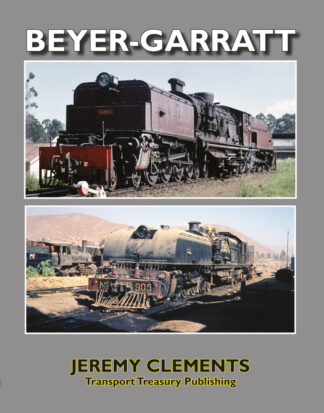
Beyer-Garratt – AVAILABLE AS A DIGITAL COPY ONLY
Price range: £45.00 through £50.00 Select options This product has multiple variants. The options may be chosen on the product page -
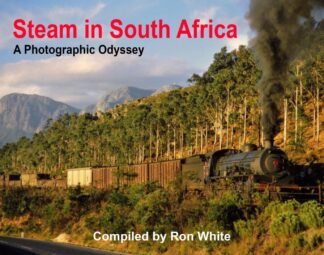
Steam in South Africa
Price range: £8.25 through £15.50 Select options This product has multiple variants. The options may be chosen on the product page -
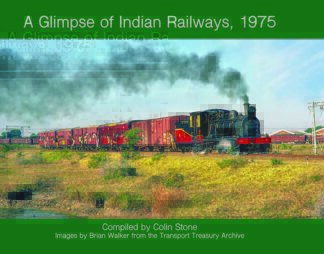
A Glimpse of Indian Railways, 1975
Price range: £16.50 through £17.50 Select options This product has multiple variants. The options may be chosen on the product page
IN A DIFFERENT LIGHT invites readers on an unforgettable journey into the golden era of Cape Gauge steam operations on South African Railways (SAR). Renowned photographer John Birkinshaw captures the essence of 1975, a pivotal time as steam trains began fading into history. Featuring vivid images printed on high-quality paper, the book blends stunning visuals with Birkinshaw’s personal anecdotes of navigating challenges in an era without modern travel tools. From cloud-covered landscapes to the dwindling days of Garratts and Pacifics, this heartfelt memoir and photographic masterpiece is a must-read for railway enthusiasts and history lovers alike.
INTRODUCTION
In this book I have tried to create a visual impression of Cape Gauge steam operations on South African Railways (SAR) as they were when, armed with cameras, maps, and sleeping bag I visited the country with a fellow railway enthusiast in 1975. In addition to a brief history of SAR steam, I thought it would be of interest to describe how well (or otherwise) we planned the trip when money and information about the problems we might encounter were in short supply. At the time of our visit the biting wind of change was already beginning to blow through South African Railways, and in the next 7 years the SAR Cape Gauge route mileage operated by steam was reduced to less than 1,850 kilometres of the total 20,000.
The initial thought that became the final plan was to visit Southern Africa during the months of October to December 1975. As we found not the best months to chase trains, plenty of cloud and rain, the ideal time for clear skies was the winter months of May, June and July. In 1975 there was no internet and no Google maps available to help plan such a trip, (and remember the mobile phone and GPS wasn’t even on your ‘Dreams’ radar) the only source of information was word of mouth, World Steam and Continental Railway Journal. While our planning was in progress, steam was in its final season on the Cape fruit trains. Cape Gauge Garratts were rapidly becoming history. Pacifics were scheduled to be removed from the passenger links on the Port Elizabeth suburban system by the middle of 1975. So, were we simply too late, or close to an unforgettable experience?
Reviews
There are no reviews yet.
You must be logged in to post a review.
Additional information
| Weight | 1923 g |
|---|---|
| Dimensions | 30.4 × 26.2 cm |
| Pages | 200 |
| Cover | hardback |
| Dimensions | 260 x 300 mm |
| Illustrations | 200+ |
| Format | landscape |
Related books
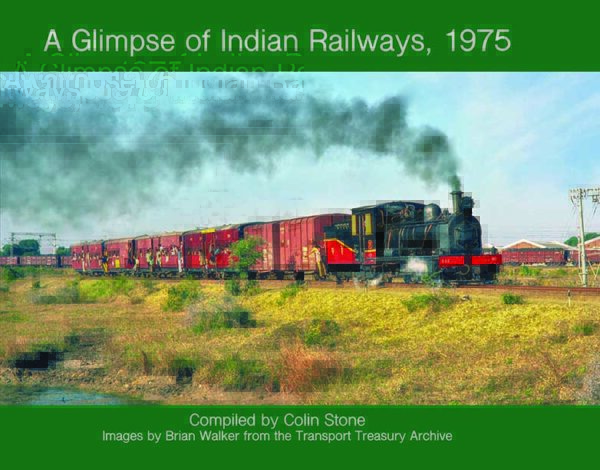
A Glimpse of Indian Railways, 1975
Price range: £16.50 through £17.50
Select options This product has multiple variants. The options may be chosen on the product page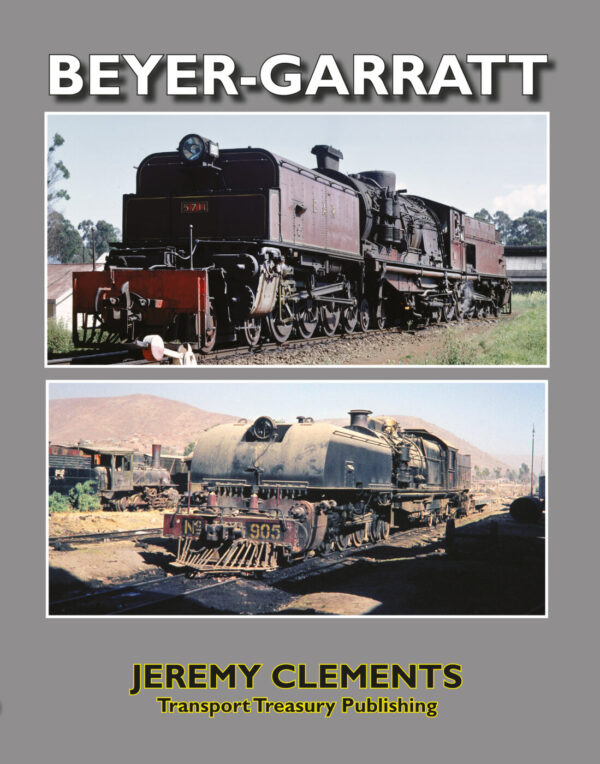
Beyer-Garratt – AVAILABLE AS A DIGITAL COPY ONLY
Price range: £45.00 through £50.00
Select options This product has multiple variants. The options may be chosen on the product page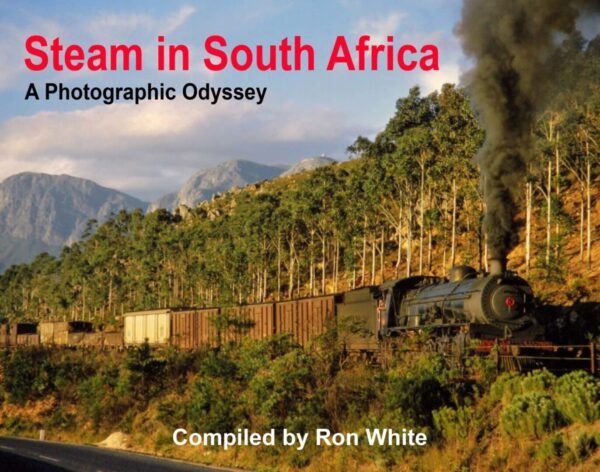
Price range: £8.25 through £15.50
Select options This product has multiple variants. The options may be chosen on the product page
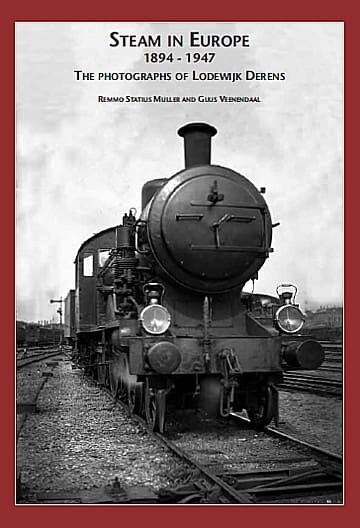
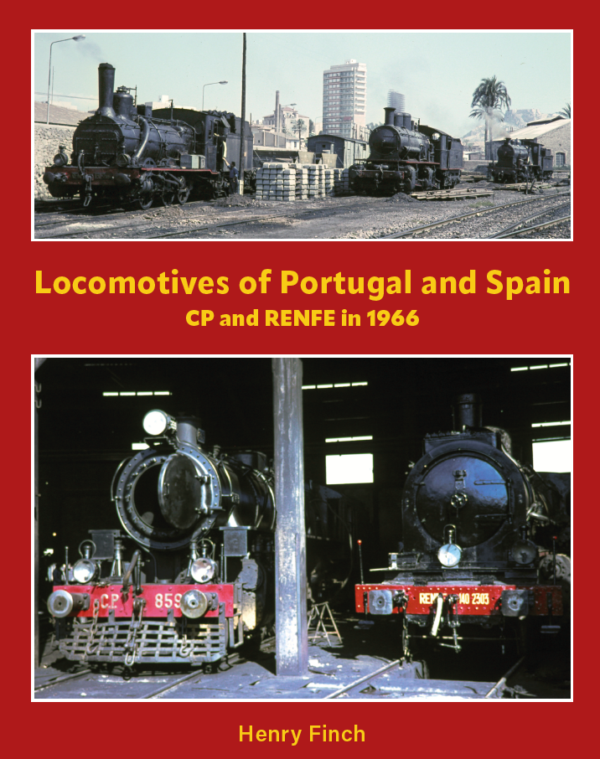
Locomotives of Portugal and Spain
Price range: £18.95 through £19.95
Select options This product has multiple variants. The options may be chosen on the product page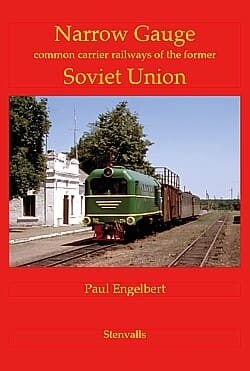
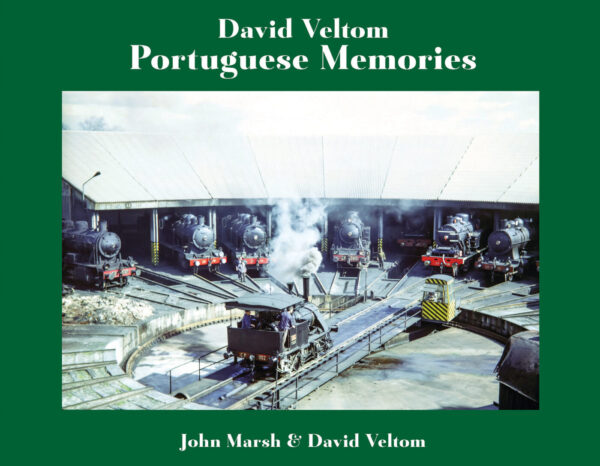
David Veltom Portuguese Memories
Price range: £16.50 through £17.50
Select options This product has multiple variants. The options may be chosen on the product page
Reviews
There are no reviews yet.