



Shop

Eastern to the Coast
Price range: £13.95 through £14.95
The four counties of Essex, Suffolk, Norfolk and Lincolnshire contain a number of coastal resorts ranging from the large “tripper” destinations of Southend, Great Yarmouth and Skegness to the smaller more refined locations such as Aldeburgh, Dovercourt Bay and Sutton-on-sea. Many of these were served by trains provided by the Eastern region of British Railways. There were a number of named expresses that brought holidaymakers to the East Coast and images of these are included here. Some 30 resorts are covered in this volume, the fifth in a series covering coastal resorts served by the various regions of BR.
1 review for Eastern to the Coast
You must be logged in to post a review.
Additional information
| Weight | 540 g |
|---|---|
| Dimensions | 27.3 × 21.5 cm |
| Pages | 104 |
| Cover Choice | Paperback, ebook |
| Illustrations | 150+ |
| Format | Portrait |
Frequently Asked Questions
What is "Eastern to the Coast" about?
The four counties of Essex, Suffolk, Norfolk and Lincolnshire contain a number of coastal resorts ranging from the large “tripper” destinations of Southend, Great Yarmouth and Skegness to the smaller more refined locations such as Aldeburgh, Dovercourt Bay and Sutton-on-sea. Many of these were served by trains provided by the Eastern region of British Railways. There were a number of named expresses that brought holidaymakers to the East Coast and images of these are included here. Some 30 resorts are covered in this volume, the fifth in a series covering coastal resorts served by the various regions of BR.
Who wrote "Eastern to the Coast"?
"Eastern to the Coast" was written by Jeffery Grayer.
Who would enjoy "Eastern to the Coast"?
"Eastern to the Coast" is perfect for readers who enjoy books about Eastern Region.
You may also like…
-
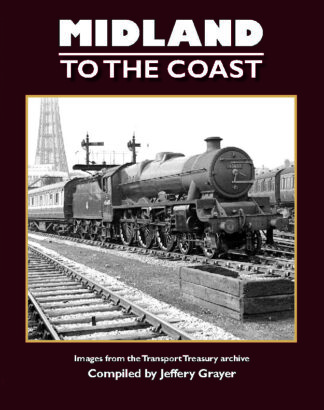
Midland to the Coast
Price range: £13.95 through £14.95 Select options This product has multiple variants. The options may be chosen on the product page -
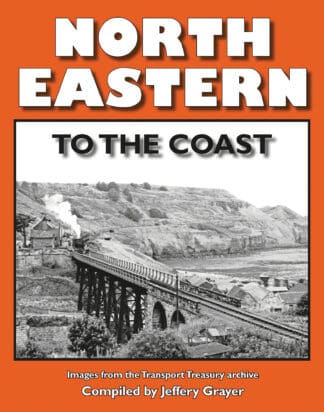
North Eastern to the Coast
Price range: £13.95 through £14.95 Select options This product has multiple variants. The options may be chosen on the product page -
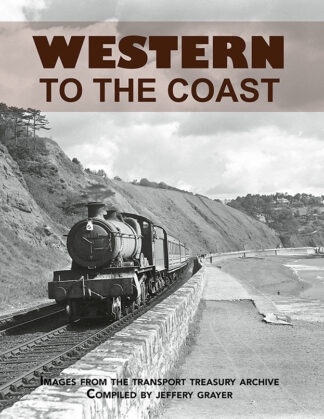
Western to the Coast
Price range: £13.95 through £14.95 Select options This product has multiple variants. The options may be chosen on the product page -
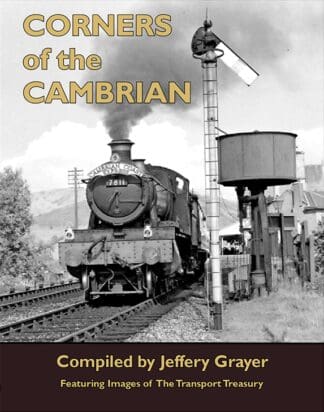
Corners of the Cambrian
Price range: £13.95 through £14.95 Select options This product has multiple variants. The options may be chosen on the product page
The four counties of Essex, Suffolk, Norfolk and Lincolnshire contain a number of coastal resorts ranging from the large “tripper” destinations of Southend, Great Yarmouth and Skegness to the smaller more refined locations such as Aldeburgh, Dovercourt Bay and Sutton-on-sea. Many of these were served by trains provided by the Eastern region of British Railways. There were a number of named expresses that brought holidaymakers to the East Coast and images of these are included here. Some 30 resorts are covered in this volume, the fifth in a series covering coastal resorts served by the various regions of BR.
1 review for Eastern to the Coast
-
This book looks at part of the railway network from a fresh angle, seaside lines. Having spent my childhood living at the end of one of the lines featured in the book it was natural I would purchase it. I lived at Walton on Naze and through much of the 1960s travelled to school in Colchester using the line. Sadly the book contains a number of errors in the captions. One that stood out is on page 16 where it states that the down platform at Frinton was taken out of service in February 1959, a claim previously made in your publication ‘Steam on the Great Eastern North of London and Essex’. This is not correct. The down platform was used into the late 1960s and possibly beyond. It is true that it was only used when trains passed, which was not often, Kirby Cross being the preferred location. At other times trains used the up platform in both directions. A timetable in my possession shows passing movements scheduled on Summer Saturdays in 1967 and the practice may have continued beyond then. ‘Tendring Hundred Railway’ published by the East Anglian Railway Museum claims the passing loop was taken out of use on 16 June 1974 which seems plausible. I had left Walton by that time. There are other minor errors. For example, on page 15 unit 142 (top picture) was, I believe, built in 1961 not 1959 as stated. Apologies for being pedantic but surely accuracy is important. I am intrigued by the picture at the bottom of page 7 which shows a train arriving at Southend Central having come from Fenchurch Street via Shenfield. It would be fascinating to know how that was achieved! In summary a good book but spoilt by errors.

You must be logged in to post a review.
Additional information
| Weight | 540 g |
|---|---|
| Dimensions | 27.3 × 21.5 cm |
| Pages | 104 |
| Cover Choice | Paperback, ebook |
| Illustrations | 150+ |
| Format | Portrait |
Frequently Asked Questions
What is "Eastern to the Coast" about?
The four counties of Essex, Suffolk, Norfolk and Lincolnshire contain a number of coastal resorts ranging from the large “tripper” destinations of Southend, Great Yarmouth and Skegness to the smaller more refined locations such as Aldeburgh, Dovercourt Bay and Sutton-on-sea. Many of these were served by trains provided by the Eastern region of British Railways. There were a number of named expresses that brought holidaymakers to the East Coast and images of these are included here. Some 30 resorts are covered in this volume, the fifth in a series covering coastal resorts served by the various regions of BR.
Who wrote "Eastern to the Coast"?
"Eastern to the Coast" was written by Jeffery Grayer.
Who would enjoy "Eastern to the Coast"?
"Eastern to the Coast" is perfect for readers who enjoy books about Eastern Region.
Related books
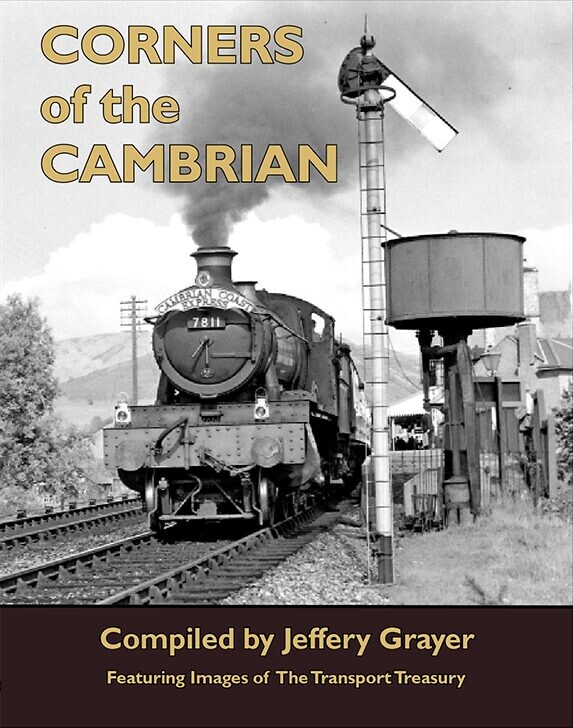
Price range: £13.95 through £14.95
Select options This product has multiple variants. The options may be chosen on the product page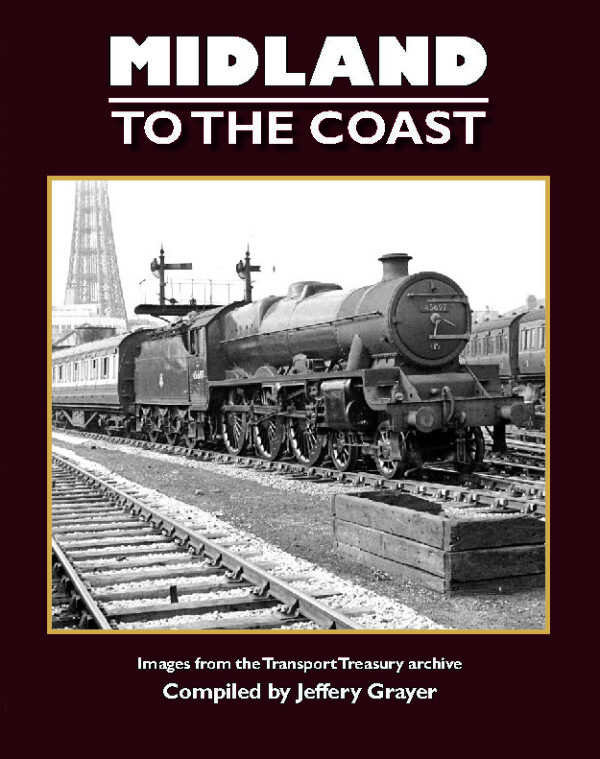
Price range: £13.95 through £14.95
Select options This product has multiple variants. The options may be chosen on the product page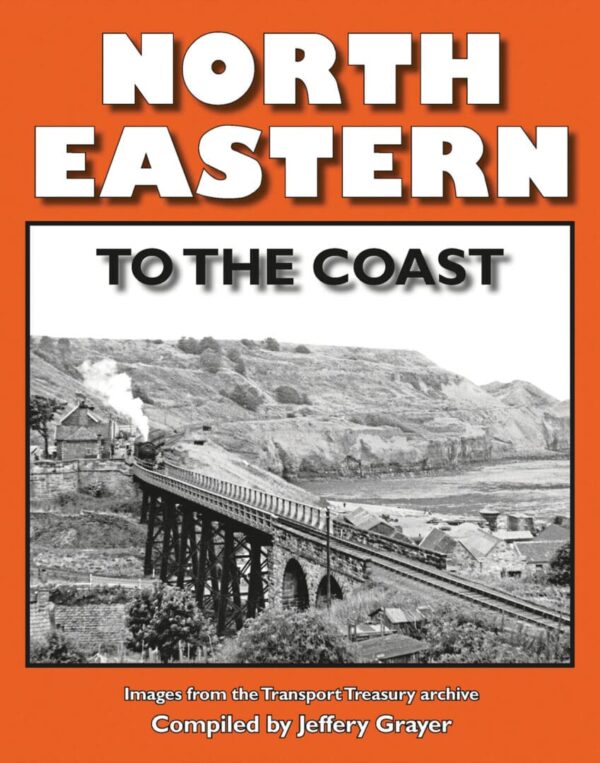
Price range: £13.95 through £14.95
Select options This product has multiple variants. The options may be chosen on the product page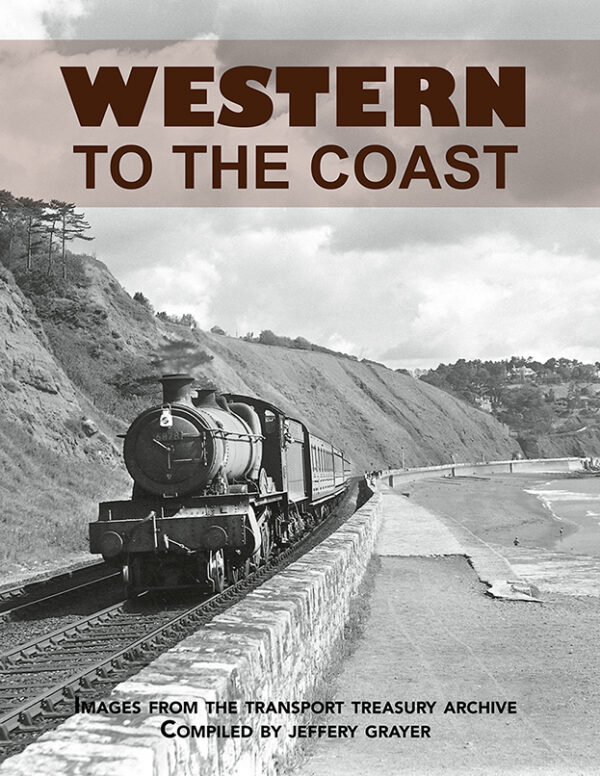
Price range: £13.95 through £14.95
Select options This product has multiple variants. The options may be chosen on the product page
Price range: £16.50 through £17.50
Select options This product has multiple variants. The options may be chosen on the product page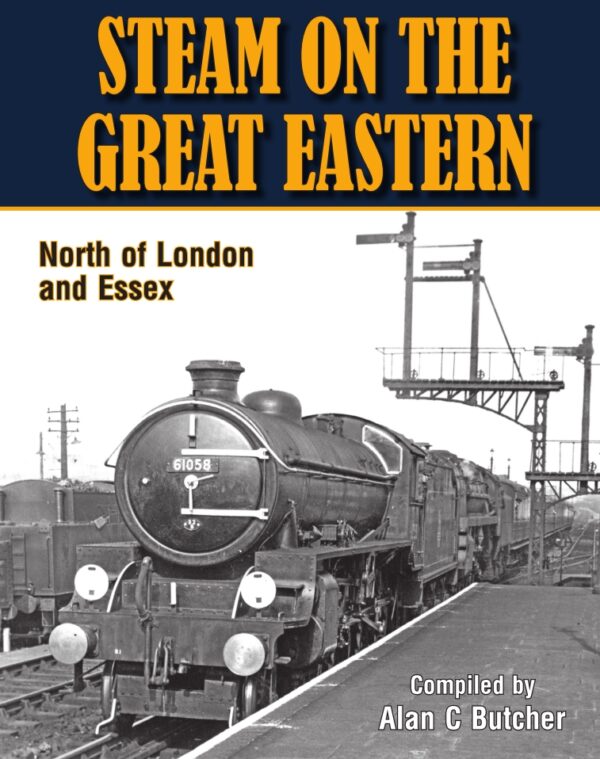
Steam on the Great Eastern: North of London and Essex
Price range: £13.95 through £14.95
Select options This product has multiple variants. The options may be chosen on the product page
Malcolm Wren –
This book looks at part of the railway network from a fresh angle, seaside lines. Having spent my childhood living at the end of one of the lines featured in the book it was natural I would purchase it. I lived at Walton on Naze and through much of the 1960s travelled to school in Colchester using the line. Sadly the book contains a number of errors in the captions. One that stood out is on page 16 where it states that the down platform at Frinton was taken out of service in February 1959, a claim previously made in your publication ‘Steam on the Great Eastern North of London and Essex’. This is not correct. The down platform was used into the late 1960s and possibly beyond. It is true that it was only used when trains passed, which was not often, Kirby Cross being the preferred location. At other times trains used the up platform in both directions. A timetable in my possession shows passing movements scheduled on Summer Saturdays in 1967 and the practice may have continued beyond then. ‘Tendring Hundred Railway’ published by the East Anglian Railway Museum claims the passing loop was taken out of use on 16 June 1974 which seems plausible. I had left Walton by that time. There are other minor errors. For example, on page 15 unit 142 (top picture) was, I believe, built in 1961 not 1959 as stated. Apologies for being pedantic but surely accuracy is important. I am intrigued by the picture at the bottom of page 7 which shows a train arriving at Southend Central having come from Fenchurch Street via Shenfield. It would be fascinating to know how that was achieved! In summary a good book but spoilt by errors.