



Shop
St Rollox
The Rebel Works 1933-1963
Price range: £16.50 through £17.50
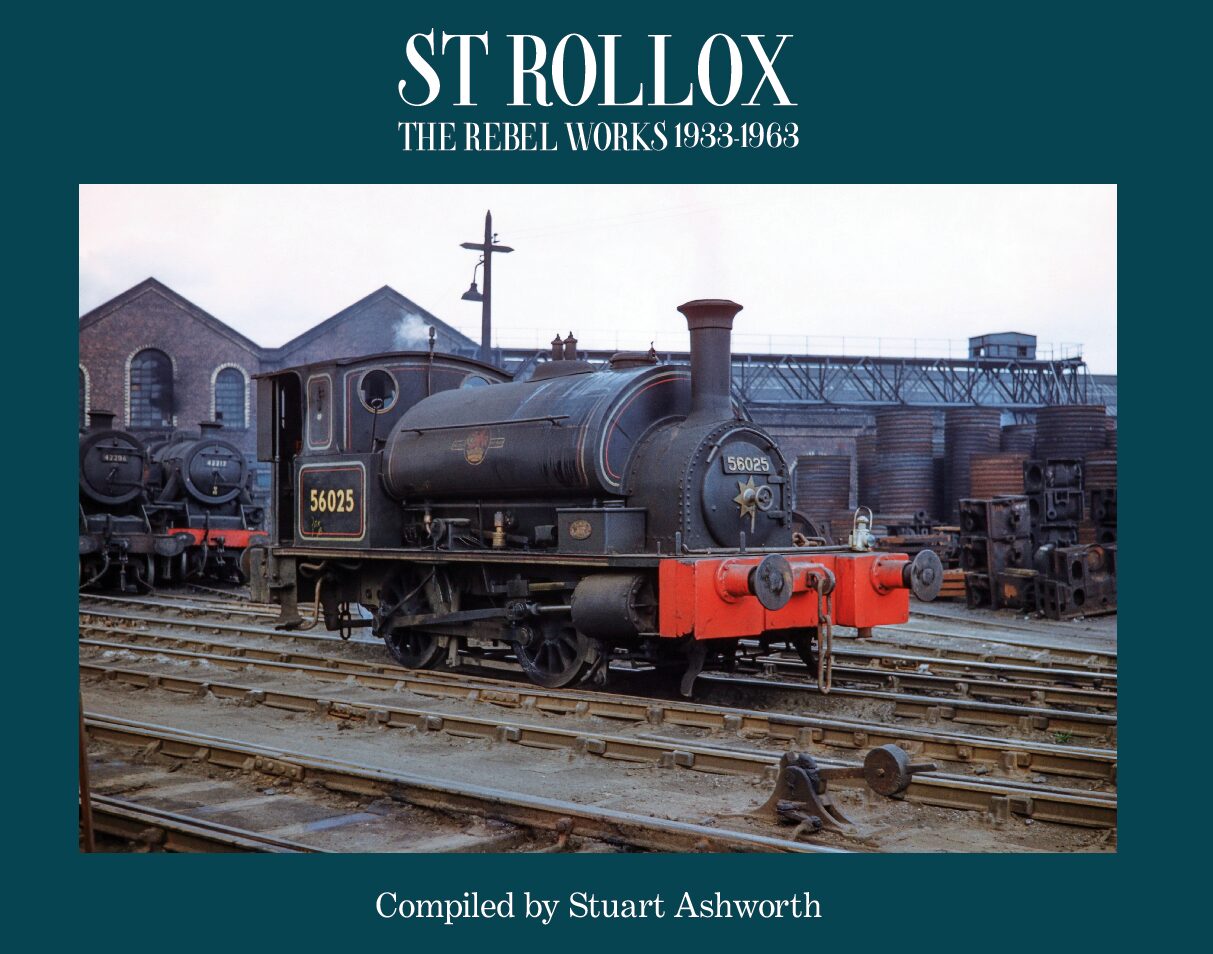
St Rollox Works has a proud record of over 100 years of building and overhauling steam locomotives during Caledonian, LMS and BR ownership.
During Caledonian times, the Works built some important locomotives. In 1898, John McIntosh (the Works Chief Mechanical Engineer) designed the Dunalastair 4-4-0s, and during a period of 20 years more than 80 of these locomotives were built, the later variants having superheated boilers. This was the first superheated engine in Scotland and one of the first in Great Britain. In 1916, the ‘Cardean’ 4-6-0 express passenger locomotive followed and this was the most powerful 4-6-0 in the
country at the time.
In this book, Stuart Ashworth looks at the period in LMS and BR ownership; it sets out to show the differences in practice that took place at St Rollox, compared with Crewe and the other LMS workshops. A visit is also made to the adjoining running shed (also known as Balornock) to complete the scene. After the end of steam in December 1963, the works continued overhauls into the diesel era. More change would come in 1972 when BR chose to rename St Rollox as ‘Glasgow Works’.
Closure finally came in July 2019 after 165 years of operations.
You must be logged in to post a review.
Additional information
| Weight | 540 g |
|---|---|
| Dimensions | 24 × 18.5 cm |
| Pages | 80 |
| Cover Choice | Hardback, ebook |
| Illustrations | 95 |
| Format | Landscape |
Frequently Asked Questions
What is "St Rollox" about?
St Rollox Works has a proud record of over 100 years of building and overhauling steam locomotives during Caledonian, LMS and BR ownership.
During Caledonian times, the Works built some important locomotives. In 1898, John McIntosh (the Works Chief Mechanical Engineer) designed the Dunalastair 4-4-0s, and during a period of 20 years more than 80 of these locomotives were built, the later variants having superheated boilers. This was the first superheated engine in Scotland and one of the first in Great Britain. In 1916, the ‘Cardean’ 4-6-0 express passenger locomotive followed and this was the most powerful 4-6-0 in the
country at the time.
In this book, Stuart Ashworth looks at the period in LMS and BR ownership; it sets out to show the differences in practice that took place at St Rollox, compared with Crewe and the other LMS workshops. A visit is also made to the adjoining running shed (also known as Balornock) to complete the scene. After the end of steam in December 1963, the works continued overhauls into the diesel era. More change would come in 1972 when BR chose to rename St Rollox as ‘Glasgow Works’.
Closure finally came in July 2019 after 165 years of operations.
Who wrote "St Rollox"?
"St Rollox" was written by Stuart Ashworth.
Who would enjoy "St Rollox"?
"St Rollox" will appeal to readers who enjoy books about London Midland Region.
You may also like…
-
LMS Steam in the 1930s
Price range: £12.50 through £13.50 Select options This product has multiple variants. The options may be chosen on the product page -
LMS Carriages Album, Volume 1 – Hardback
£13.50 Add to basket -
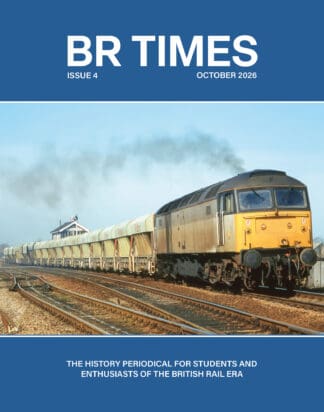
BR Times Issue 4
Price range: £12.50 through £13.50 Select options This product has multiple variants. The options may be chosen on the product page
St Rollox Works has a proud record of over 100 years of building and overhauling steam locomotives during Caledonian, LMS and BR ownership.
During Caledonian times, the Works built some important locomotives. In 1898, John McIntosh (the Works Chief Mechanical Engineer) designed the Dunalastair 4-4-0s, and during a period of 20 years more than 80 of these locomotives were built, the later variants having superheated boilers. This was the first superheated engine in Scotland and one of the first in Great Britain. In 1916, the ‘Cardean’ 4-6-0 express passenger locomotive followed and this was the most powerful 4-6-0 in the
country at the time.
In this book, Stuart Ashworth looks at the period in LMS and BR ownership; it sets out to show the differences in practice that took place at St Rollox, compared with Crewe and the other LMS workshops. A visit is also made to the adjoining running shed (also known as Balornock) to complete the scene. After the end of steam in December 1963, the works continued overhauls into the diesel era. More change would come in 1972 when BR chose to rename St Rollox as ‘Glasgow Works’.
Closure finally came in July 2019 after 165 years of operations.
Reviews
There are no reviews yet.
You must be logged in to post a review.
Additional information
| Weight | 540 g |
|---|---|
| Dimensions | 24 × 18.5 cm |
| Pages | 80 |
| Cover Choice | Hardback, ebook |
| Illustrations | 95 |
| Format | Landscape |
Frequently Asked Questions
What is "St Rollox" about?
St Rollox Works has a proud record of over 100 years of building and overhauling steam locomotives during Caledonian, LMS and BR ownership.
During Caledonian times, the Works built some important locomotives. In 1898, John McIntosh (the Works Chief Mechanical Engineer) designed the Dunalastair 4-4-0s, and during a period of 20 years more than 80 of these locomotives were built, the later variants having superheated boilers. This was the first superheated engine in Scotland and one of the first in Great Britain. In 1916, the ‘Cardean’ 4-6-0 express passenger locomotive followed and this was the most powerful 4-6-0 in the
country at the time.
In this book, Stuart Ashworth looks at the period in LMS and BR ownership; it sets out to show the differences in practice that took place at St Rollox, compared with Crewe and the other LMS workshops. A visit is also made to the adjoining running shed (also known as Balornock) to complete the scene. After the end of steam in December 1963, the works continued overhauls into the diesel era. More change would come in 1972 when BR chose to rename St Rollox as ‘Glasgow Works’.
Closure finally came in July 2019 after 165 years of operations.
Who wrote "St Rollox"?
"St Rollox" was written by Stuart Ashworth.
Who would enjoy "St Rollox"?
"St Rollox" will appeal to readers who enjoy books about London Midland Region.
Related books
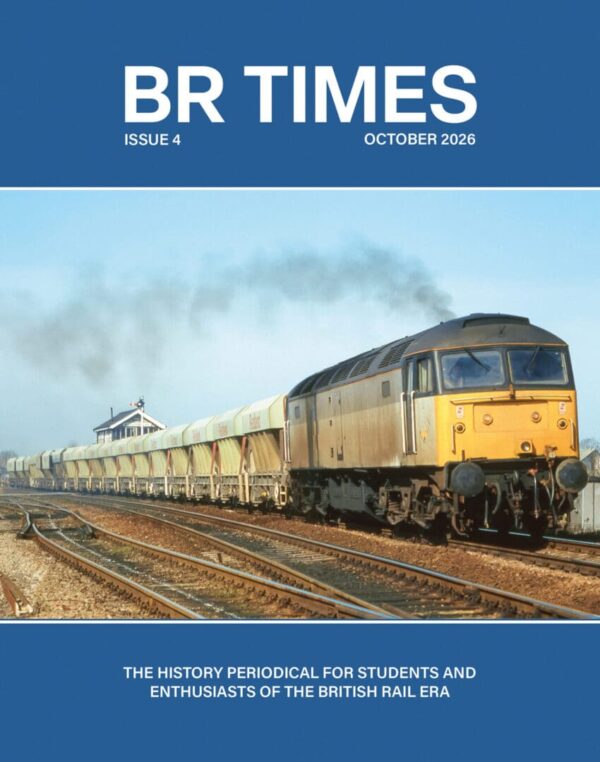
Price range: £12.50 through £13.50
Select options This product has multiple variants. The options may be chosen on the product page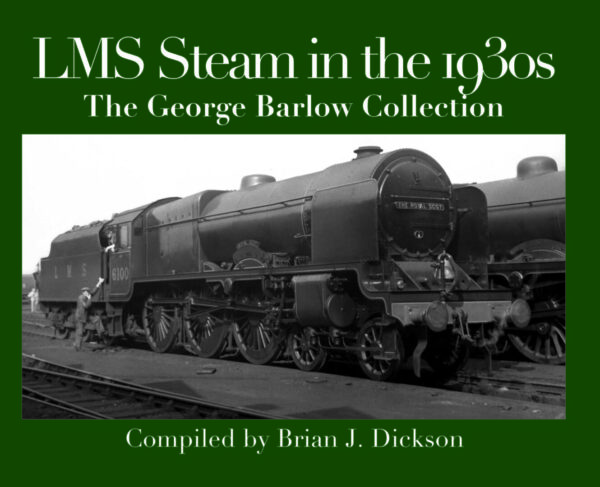
Price range: £12.50 through £13.50
Select options This product has multiple variants. The options may be chosen on the product page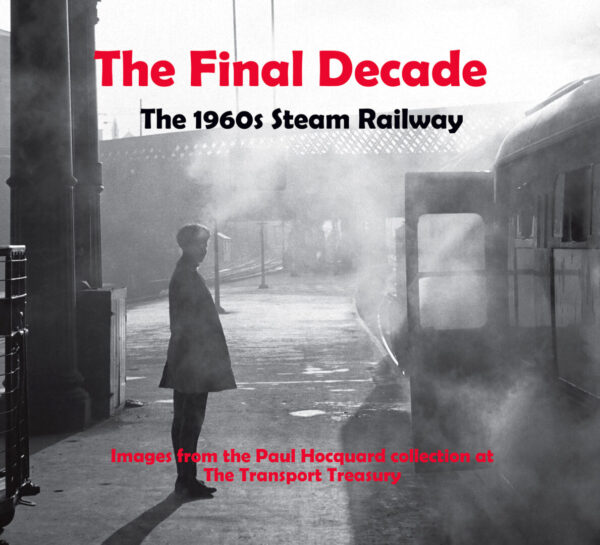
The Final Decade: The 1960s Steam Railway – AVAILABLE AS A DIGITAL COPY ONLY
Price range: £11.50 through £12.50
Select options This product has multiple variants. The options may be chosen on the product page
Price range: £17.50 through £18.50
Select options This product has multiple variants. The options may be chosen on the product page
Price range: £11.95 through £12.95
Select options This product has multiple variants. The options may be chosen on the product page
Price range: £15.50 through £16.50
Select options This product has multiple variants. The options may be chosen on the product page
Reviews
There are no reviews yet.