



Shop
Industrial Railways of Northamptonshire
Memories of an Industrious Railway
Price range: £18.95 through £19.95
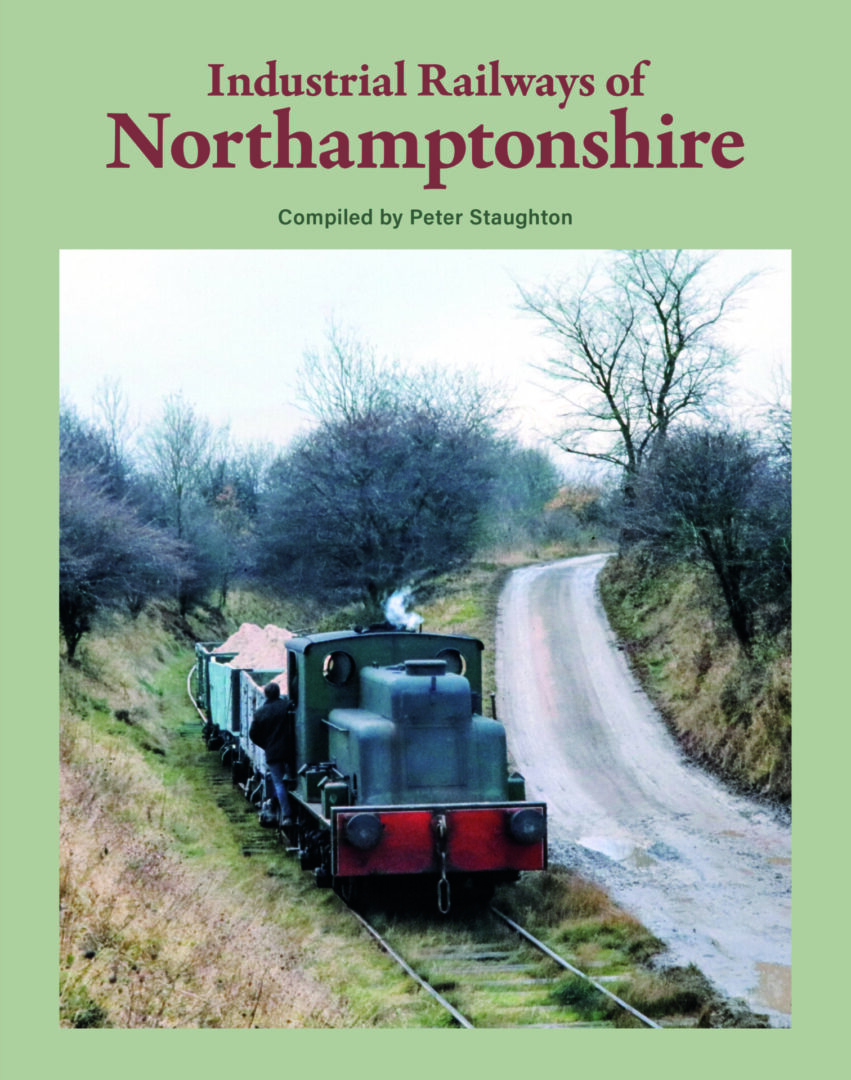
In the 1960s industrial railways were a declining, but still important part of the nation’s economy. Northamptonshire was the location for many such railways and the author presents his experiences with pictures of some of those that were still to be seen at work as the era drew to a close. Although many of the locations of these railways have since altered beyond recognition, a selection of pictures and memories recalls some of the ambience and sights of the time, and the comings and goings of the engines that busily went about their daily routine.
1 review for Industrial Railways of Northamptonshire
You must be logged in to post a review.
Additional information
| Weight | 540 g |
|---|---|
| Dimensions | 27.3 × 21.5 cm |
| Pages | 80 |
| Cover Choice | Paperback, ebook |
| Illustrations | 114 |
| Format | Portrait |
Frequently Asked Questions
What is "Industrial Railways of Northamptonshire" about?
In the 1960s industrial railways were a declining, but still important part of the nation’s economy. Northamptonshire was the location for many such railways and the author presents his experiences with pictures of some of those that were still to be seen at work as the era drew to a close. Although many of the locations of these railways have since altered beyond recognition, a selection of pictures and memories recalls some of the ambience and sights of the time, and the comings and goings of the engines that busily went about their daily routine.
Who wrote "Industrial Railways of Northamptonshire"?
"Industrial Railways of Northamptonshire" was written by Peter Staughton.
Who would enjoy "Industrial Railways of Northamptonshire"?
"Industrial Railways of Northamptonshire" will appeal to readers who enjoy books about Miscellaneous.
You may also like…
-
Woodford Halse – Hardback
£13.50 Add to basket -
Engines at Corby – Paperback
£15.50 Add to basket -
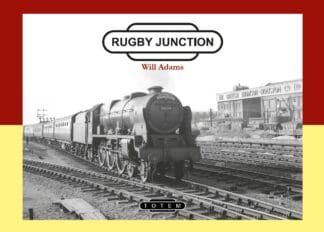
Rugby Junction – Hardback
£13.50 Add to basket -
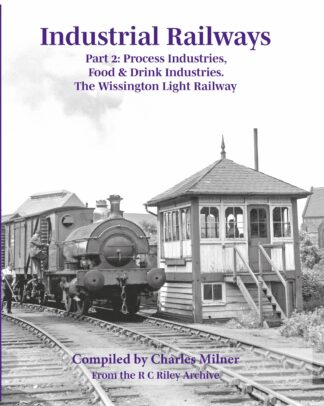
Industrial Railways Part 2
Price range: £16.95 through £17.95 Select options This product has multiple variants. The options may be chosen on the product page
In the 1960s industrial railways were a declining, but still important part of the nation’s economy. Northamptonshire was the location for many such railways and the author presents his experiences with pictures of some of those that were still to be seen at work as the era drew to a close. Although many of the locations of these railways have since altered beyond recognition, a selection of pictures and memories recalls some of the ambience and sights of the time, and the comings and goings of the engines that busily went about their daily routine.
1 review for Industrial Railways of Northamptonshire
-
Being a native of Northamptonshire in the 1950s and 60s I really looked forward to this book but confess to being a little disappointed as a more appropriate title would have been “Industrial Railways of North-East Northamptonshire”. That said it does throw light on several railways I was barely aware of – particularly those close to the county town and in colour too. But there were so many more in the opposite corner of the county.
It really would have benefitted from some maps and indeed a non-existent map is referred to on page 32 — I would love to be able to trace the site of the cover picture perhaps.

You must be logged in to post a review.
Additional information
| Weight | 540 g |
|---|---|
| Dimensions | 27.3 × 21.5 cm |
| Pages | 80 |
| Cover Choice | Paperback, ebook |
| Illustrations | 114 |
| Format | Portrait |
Frequently Asked Questions
What is "Industrial Railways of Northamptonshire" about?
In the 1960s industrial railways were a declining, but still important part of the nation’s economy. Northamptonshire was the location for many such railways and the author presents his experiences with pictures of some of those that were still to be seen at work as the era drew to a close. Although many of the locations of these railways have since altered beyond recognition, a selection of pictures and memories recalls some of the ambience and sights of the time, and the comings and goings of the engines that busily went about their daily routine.
Who wrote "Industrial Railways of Northamptonshire"?
"Industrial Railways of Northamptonshire" was written by Peter Staughton.
Who would enjoy "Industrial Railways of Northamptonshire"?
"Industrial Railways of Northamptonshire" will appeal to readers who enjoy books about Miscellaneous.
Related books
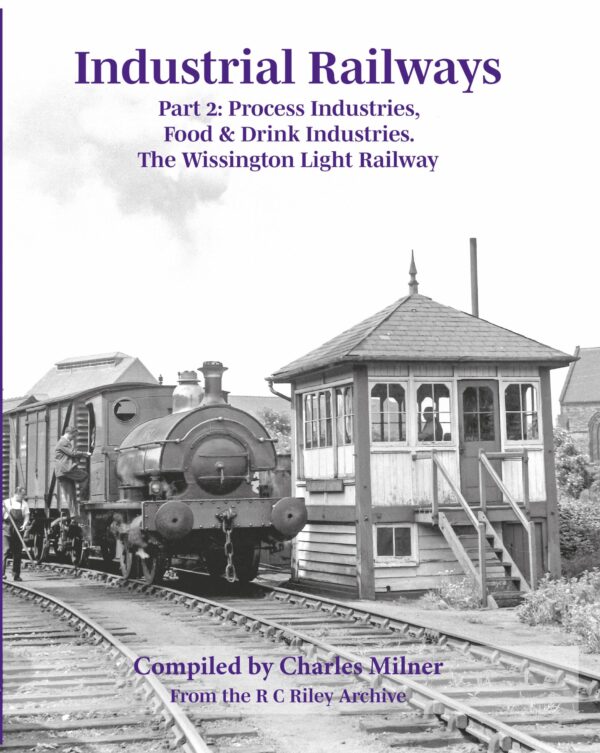
Price range: £16.95 through £17.95
Select options This product has multiple variants. The options may be chosen on the product page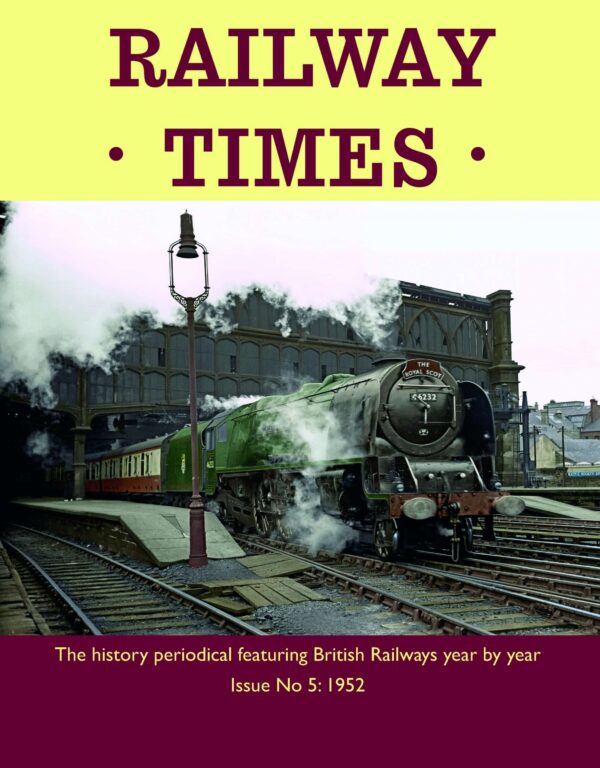
Price range: £11.95 through £12.95
Select options This product has multiple variants. The options may be chosen on the product page
Price range: £11.95 through £12.95
Select options This product has multiple variants. The options may be chosen on the product page
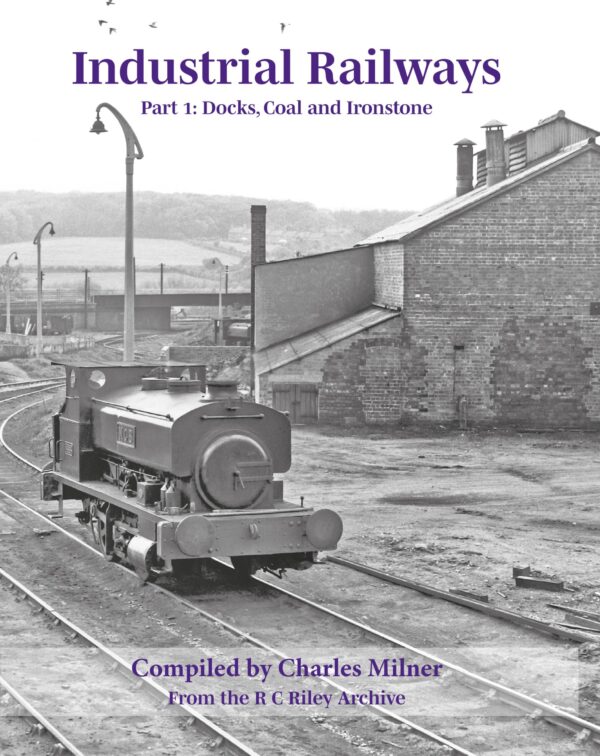
Industrial Railways Part 1 – AVAILABLE AS A DIGITAL COPY ONLY
Price range: £16.95 through £17.95
Select options This product has multiple variants. The options may be chosen on the product page
Trevor Warner –
Being a native of Northamptonshire in the 1950s and 60s I really looked forward to this book but confess to being a little disappointed as a more appropriate title would have been “Industrial Railways of North-East Northamptonshire”. That said it does throw light on several railways I was barely aware of – particularly those close to the county town and in colour too. But there were so many more in the opposite corner of the county.
It really would have benefitted from some maps and indeed a non-existent map is referred to on page 32 — I would love to be able to trace the site of the cover picture perhaps.